Looking for plant protein foods to help lower your cholesterol? You’ve come to the right place. Below is a chart of the protein in a typical serving of beans, lentils, tofu, nuts, seeds, grains and more to help you reach your Portfolio Diet needs.
Please note that this post contains clearly identified affiliate links*. If you click on these links and choose to make a purchase, I may receive a commission (at no cost to you). As an Amazon Associate, I earn from qualifying purchases.
How plant protein foods help lower cholesterol
Protein from plants is one of the five parts of the Portfolio Diet, the cholesterol lowering eating plan created by Dr. David Jenkins at the University of Toronto. The plan sets a goal of 50 grams of plant protein a day, and on its own that part is expected to lower LDL cholesterol (the kind that builds up in your arteries) by about 5 to 10%.
The 2026 cholesterol guideline from the American College of Cardiology and the American Heart Association points the same way. It recommends a way of eating that emphasizes nuts, legumes, whole grains and fiber, and swaps saturated fat for unsaturated fat. These foods are also listed as the top 39 foods to unclog arteries.
Plant protein foods like beans and lentils bring fiber along with the protein, and fiber helps with blood sugar too, which is good news if you’re managing diabetes. Soluble fiber is the part that helps lower cholesterol, so have a look at my soluble fiber foods chart too.
Soluble fiber and plant protein in the Portfolio Diet
As the author of the Portfolio Diet cookbook, I’ve seen the most success with this plan because it focuses on adding foods to your eating plan instead of restricting them. You don’t have to reach 50 grams on day one. The plan suggests starting with 10 grams a day, which could be 1 ¼ cups of soy beverage, ½ cup of chickpeas or ½ cup of edamame.
Easy swaps help. Try soy beverage in place of cow’s milk, lentils or ground soy in place of ground beef, and tofu strips in a stir-fry.
Plant protein foods chart
Grams are protein per serving. Check the nutrition facts table on the food label, because products vary in their amount of protein.
Legumes
| Food | Serving size | Protein (g) |
|---|---|---|
| Edamame (soybeans), cooked | ½ cup (125 mL) | 12 |
| Edamame (soybeans), frozen, prepared | ½ cup (125 mL) | 9 |
| Lentils, cooked | ½ cup (125 mL) | 9 |
| Beans (black, lima, kidney, navy), cooked or canned | ½ cup (125 mL) | 8 |
| Split peas, cooked | ½ cup (125 mL) | 9 |
| Chickpeas, cooked | ½ cup (125 mL) | 8 |
| Chickpeas, canned, drained | ½ cup (125 mL) | 6 |
| Green peas, cooked | ½ cup (125 mL) | 5 |
Nuts and seeds
| Food | Serving size | Protein (g) |
|---|---|---|
| Pumpkin and squash seeds | ¼ cup (60 mL) | 11 |
| Nuts, shelled and roasted | ¼ cup (60 mL) | 7 |
| Peanuts, dry roasted | ¼ cup (60 mL) | 9 |
| Sunflower seeds | ¼ cup (60 mL) | 7 |
| Peanut butter, almond butter | 2 tbsp (30 mL) | 7 |
| Hemp seeds | 2 tbsp (30 mL) | 7 |
| Tahini (sesame seed butter) | 2 tbsp (30 mL) | 5 |
| Chia seeds | 2 tbsp (30 mL) | 4 |
| Flaxseeds, ground | 2 tbsp (30 mL) | 3 |
Soy protein
| Food | Serving size | Protein (g) |
|---|---|---|
| Tempeh, cooked | ½ cup (125 mL) | 16 |
| Soybeans, cooked and boiled | ½ cup (125 mL) | 15 |
| Tofu, firm | ½ cup (125 mL) | 11 |
| Soy beverage | 1 cup (250 mL) | 7 |
| Soy yogurt, plain | ¾ cup (175 mL) | 7 |
Grains
| Food | Serving size | Protein (g) |
|---|---|---|
| Bagel (white, whole wheat) | 1 medium | 11 |
| Naan (white) | 1 small (90 g) | 9 |
| Roti (white or plain) | 1 piece (68 g) | 8 |
| Pasta (white or whole wheat), cooked | 1 cup (250 mL) | 8 |
| Chickpea or lentil pasta, dry (makes about 1 cup cooked) | 2 oz (56 g) | 11 to 15 |
| English muffin (white or whole wheat) | 1 muffin | 5 |
| Oatmeal (cooked with water) | 1 cup (250 mL) | 5 |
| Quinoa, cooked | ½ cup (125 mL) | 4 |
| Bulgur, cooked | ½ cup (125 mL) | 3 |
| Bread (all kinds) | 1 slice | 3 |
| Pita (white or whole wheat) | ½ large | 3 |
| Couscous | ½ cup (125 mL) | 3 |
| Barley and rice (white or brown), cooked | ½ cup (125 mL) | 2 |
Fruits and vegetables
| Food | Serving size | Protein (g) |
|---|---|---|
| Most fruits and vegetables | ½ cup (125 mL) | 0 to 2 |
Other sources
| Food | Serving size | Protein (g) |
|---|---|---|
| Hummus | ¼ cup (60 mL) | 5 |
| Nutritional yeast | 2 tbsp (30 mL) | 3 to 5 |
| Ground soy (textured vegetable protein), dry | ¼ cup (60 mL) | 9 to 12 |
| Seitan | 3 oz (85 g) | 15 to 21 |
Information from the Canadian Nutrient File and USDA Food Data.
Nutritional yeast, ground soy, seitan and chickpea or lentil pasta. Those aren’t in the Canadian Nutrient File or USDA database, so their numbers are ranges from product labels. Brands differ, so check the nutrition facts table on the package you buy.
A sample day with 50 grams of plant protein
Here is one way to reach 50 grams in a day, using only foods and serving sizes from the chart above. Swap in your own favourites from the chart to match what you like to eat.
| Meal | What you eat | Protein (g) |
|---|---|---|
| Breakfast | 1 cup oatmeal cooked with water, 2 tbsp hemp seeds and 1 cup soy beverage | 19 |
| Snack | 1 slice bread with 2 tbsp peanut butter | 10 |
| Lunch | Salad with ½ cup lentils and ½ cup quinoa | 13 |
| Dinner | Black bean bowl with ½ cup black beans and your favourite vegetables | 8 |
| Total | 50 |
Fruits and vegetables add a little protein too, which is not counted here. If you need more, a ½ cup of tempeh adds 16 grams on its own. Please note that 50 grams of plant protein is the minimum recommendation in the Portfolio Diet, often adults need more than 50 grams per day. Please check with your Registered Dietitian to determine your daily protein needs.

Small tweaks that add up
A busy mom I worked with recently set a goal of 50 grams of plant protein a day. She’s short on time and often orders in, so we didn’t change her whole routine. We picked three small tweaks that fit the day she already has:
- Soy milk in her morning latte (this was a switch from cows milk)
- Roasted chickpeas at 3 or 4 pm, when the afternoon hunger hits
- ½ cup of edamame when she gets home from work
Using the chart above, ½ cup of chickpeas adds about 8 grams and ½ cup of edamame adds about 9 to 12, depending on how it’s prepared. Those two snacks alone come to around 17 to 20 grams, plus the extra protein from the soy milk.
You don’t have to change everything at once. A few small tweaks like these are how most people get to 50 grams.
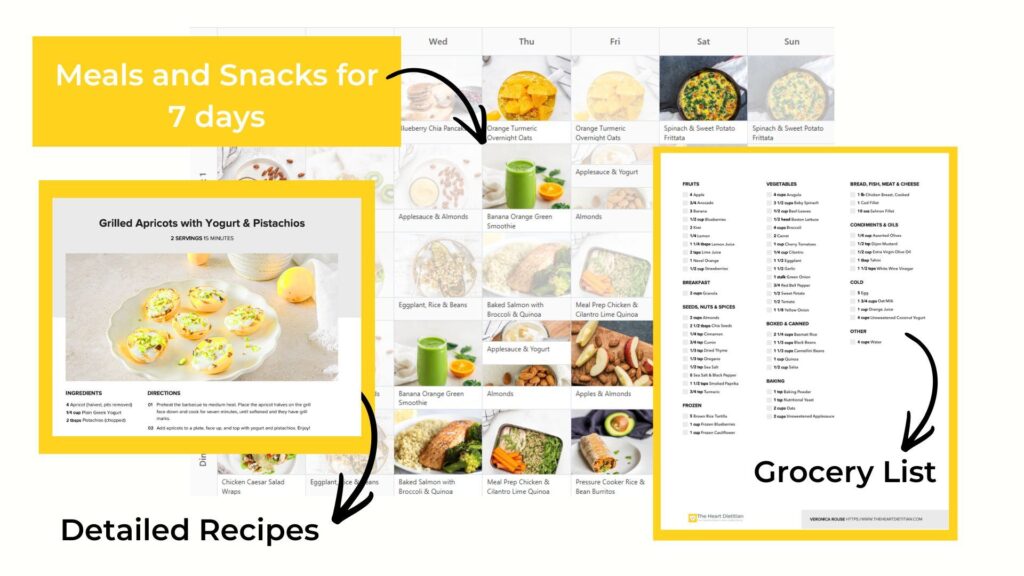
Want the planning done for you? My Portfolio Diet Meal Plan is a 7 day plan built around the Portfolio Diet foods, so you know exactly what to eat.
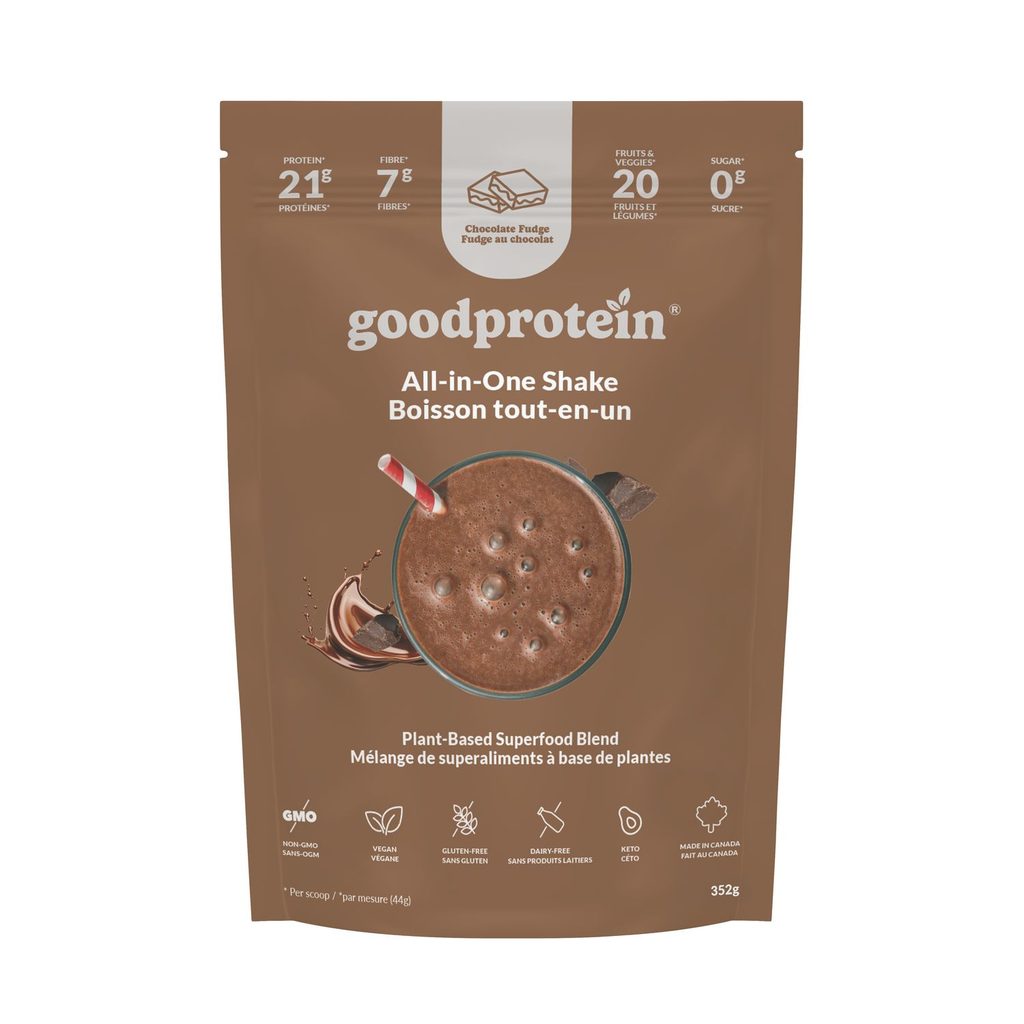
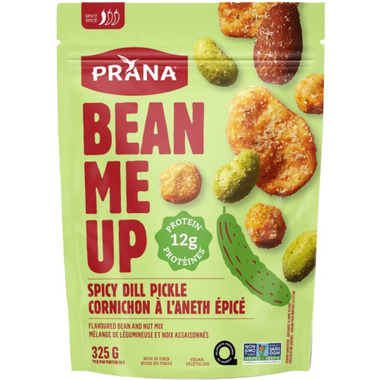
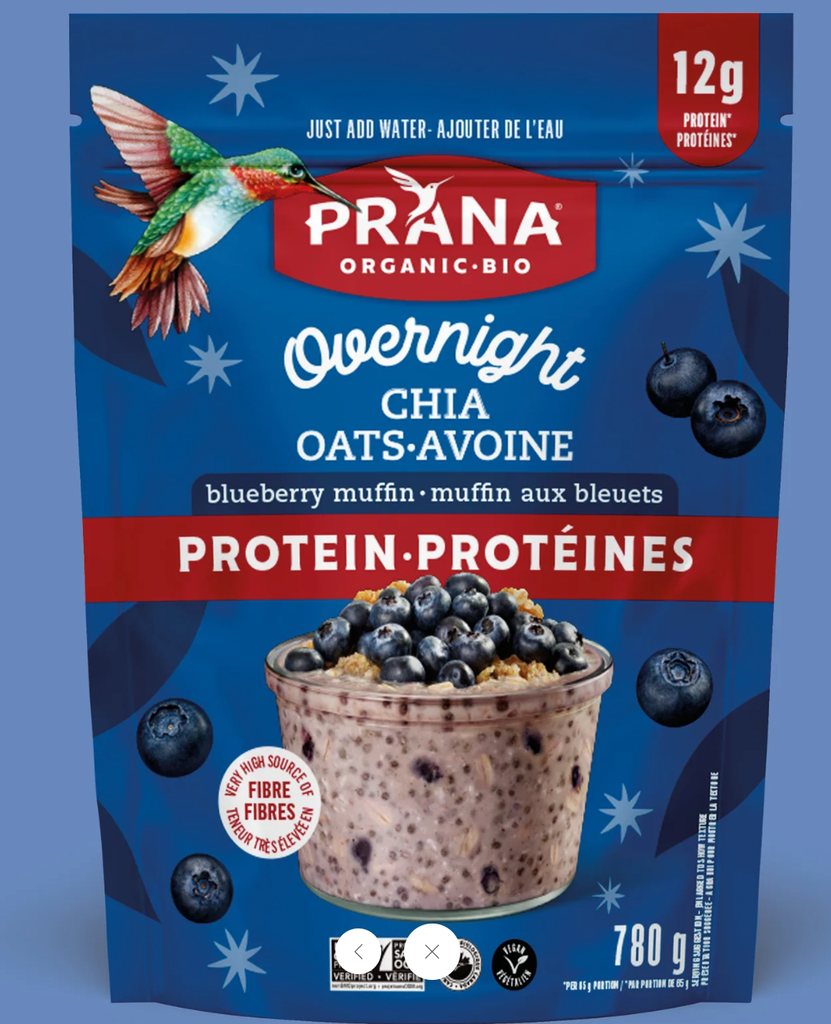
Plant Protein Products
Here are some of my favourite products that can help you reach your goal
Food Products
From my shop

Final thoughts
Fifty grams of plant protein sounds like a lot until you spread it across a whole day. Oatmeal with hemp seeds at breakfast, lentils at lunch and a black bean bowl at dinner already get you most of the way there. Pick a few foods from the chart that you enjoy, start with one swap this week, and build from there. The Portfolio Diet is about adding foods, so you don’t have to give anything up to get started.